
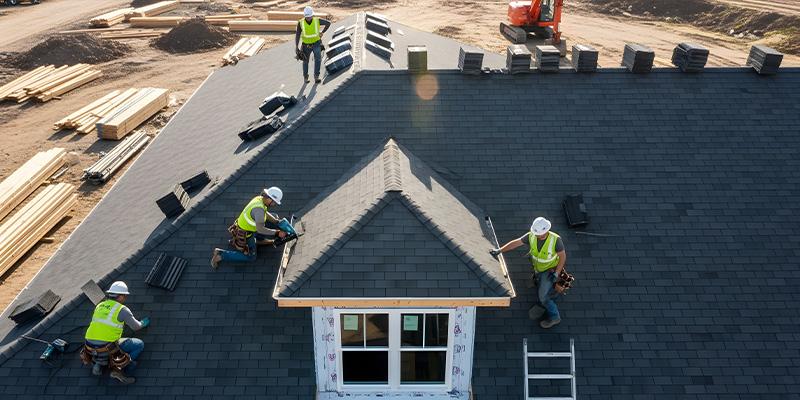
For board members, the HOA vendor cost is one of the biggest considerations when planning the budget. With costs rising this year, boards must make the necessary adjustments and implement strategies to lower expenses without sacrificing service quality.
Factors That Affect HOA Vendor Cost
 Board members are responsible for common area maintenance and repairs, but they can’t do this alone. They require the help of professional companies that deliver everything from landscaping and cleaning to pool maintenance and elevator repair.
This is why vendors take up a large chunk of the association’s budget. Boards must allocate funding for specific services, and understanding what factors influence pricing can set the association up for success.
Here’s why an HOA vendor’s price increases happen.
1. Labor Shortages and Wage Increases
Vendors rely on skilled workers to deliver landscaping, maintenance, and construction services. If the pool of available workers is small, then workers can command higher wages. Vendors may also raise wages to retain capable staff members. This ultimately leads to increased vendor rates for HOAs and condominiums.
2. Inflation and Material Costs
Perhaps the most obvious factor affecting HOA vendor costs is inflation. When prices rise for fuel, equipment, and raw materials, vendors must charge higher rates to cover the spike and still earn a profit. The change is even more apparent for more routinely used supplies.
3. Insurance Premium Increases
Vendors must maintain liability insurance and workers’ compensation. When premiums rise, so do vendor rates, as they pass the increase along to their clients — in this case, the associations. Couple that with boards struggling to keep up with their own rising insurance premiums, and budgets will inevitably inflate.
4. Supply Chain Disruptions
Delays or limited availability of parts and materials can also result in a price increase. Vendors change their rates to account for the risks and uncertainty involved.
5. Regulatory and Compliance Costs
Every now and then, there might be new safety standards or environmental regulations that vendors must comply with. This naturally comes with costs, such as licensing fees, administrative costs, and operational expenses.
6. Increased Demand for Services
Finally, the HOA vendor cost can also be influenced by higher demand. If there are more communities competing for services in a market with only a few qualified vendors, then the latter can generally set their own rates. Vendors also tend to prioritize contracts with higher payment terms.
How Rising Vendor Costs Affect HOA Budgets
Rising vendor costs — or any cost, for that matter — can severely cripple an association’s budget. When vendors raise their rates, it puts more pressure on the operating budget and reserve fund. Boards will have to adjust the budget more frequently, even during the middle of the year, to account for the change.
As a result of an increase in HOA vendor costs, there’s less funding for other projects. Boards must deal with reduced flexibility when it comes to other expenses. If the board can’t balance everything, there’s a higher risk of budget shortfalls, too.
Impact on HOA Services and Maintenance
Budgets aren’t the only casualty when the HOA vendor cost goes up. Associations may not have the funding for some services, resulting in delays in routine maintenance. Boards can also be forced to scale back on non-essential expenses.
A delay may seem inconsequential to some, but it can have a domino effect. When repairs are deferred, equipment and components will deteriorate faster. Situations will worsen, leading to larger expenses later on.
Beyond that, residents will start to lose faith in their board. Poorly maintained or malfunctioning elements can cause owners to feel ashamed of their neighborhood. These can also pose a risk to members’ health and safety. Before long, property values will plummet.
How to Manage HOA Vendor Cost
 Sometimes, vendor price increases can’t be avoided. Fortunately, there are strategies that board members can employ to cope with rising costs without sacrificing the community at large.
Here’s how associations can manage HOA vendor costs.
1. Review and Renegotiate Contracts
It all begins with the vendor contract. Board members should review the line items that cost increases will affect most. These can include landscaping, repairs, and utilities. Boards should also check the reserve study, update assumptions, and adjust for inflation.
From there, boards can schedule a meeting with their vendors to renegotiate the contract terms. Approach the negotiation with an open mind and a clear objective. Sometimes, entering multi-year agreements can help reduce prices year-over-year.
2. Secure Multiple Bids
Not all vendors are made equal. When exploring options, boards should always obtain multiple bids. Three bids are the minimum, but requirements can vary depending on the governing documents. Once the bids are in, the board should compare proposals based on value, not just price.
3. Consolidate and Adjust Where Possible
Some associations have two or more vendors delivering separate services, when a single vendor could handle all of them. If possible, boards should look for a vendor that meets multiple needs. This can help reduce costs by leveraging overhead and fixed expenses.
Boards should also consider adjusting the service levels. Perhaps reducing the frequency of services will help bring costs down. Of course, boards must never do this if it compromises safety or legal compliance.
4. Build Stronger Vendor Relationships
Vendors are managed by people, and people can be very considerate to those with whom they have good relationships. Building strong relationships with reliable vendors can help the association access discounts and other perks.
5. Communicate With Homeowners
Homeowners deserve to know what’s going on in their community. If vendor prices are up, that will trickle down to the budget and dues.
Board members must maintain transparency about any budget changes. Set expectations so that owners won’t be surprised. It’s also a good idea to explain how and why dues are rising due to rising vendor costs. Clear breakdowns will help immensely.
A Balancing Act
Managing HOA vendor cost is a big part of budget preparation and financial planning. Board members must understand why vendor prices increase and how they can keep up without sacrificing the association’s needs. In doing so, they can maintain community standards while building trust.
Clark Simson Miller offers HOA management services to community associations. Call us today at 865.315.7505 or reach out to us online to request a proposal!
RELATED ARTICLES:
- How Can Having The Right Vendors For Your HOA Affect Your Finances?
- 5 Questions To Ask When Hiring HOA Vendors
- Can Homeowners Vote For A HOA Contractor?