
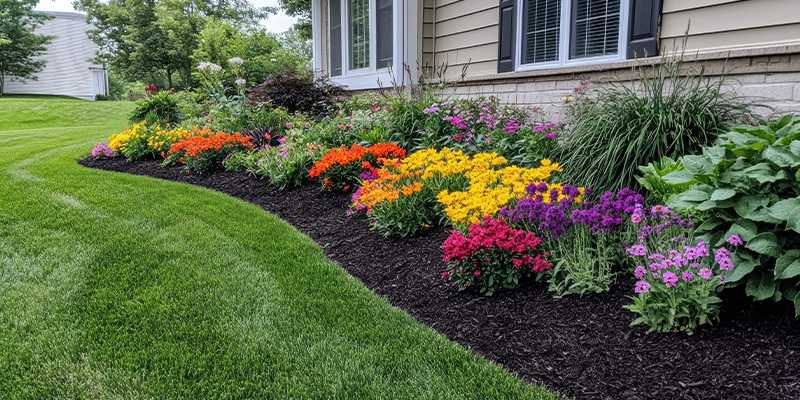
Planning spring landscaping in HOA neighborhoods is one of the first major responsibilities boards face each year. Once the winter season ends, communities must quickly shift into the busiest maintenance season. Since landscaping affects many things, board members must make smart decisions.
The Importance of Spring Landscaping in HOA Communities
Spring marks the start of the landscaping season. Grass begins to grow again, plants start to bloom, and trees recover from the winter cold. This period also reveals any damage that occurred during colder months.
Landscaping plays a major role in how residents and visitors view the community. Well-maintained grounds improve curb appeal and help protect property values. Poor landscaping, on the other hand, can have the opposite effect. Dead plants, patchy lawns, and neglected entrances can make a neighborhood look poorly managed.
This is why spring landscaping is crucial. Board members must begin planning during this time. This includes restarting vendor contracts, resuming irrigation systems, and continuing with maintenance schedules. Early planning allows for a smoother process for the rest of the maintenance season.
For many associations, landscaping also takes up one of the largest operating expenses. Boards that prioritize planning and inspections early in the season can avoid costly problems later on.
How to Handle Spring Landscaping in HOA Communities
 A lot of HOA boards think that landscaping means just hiring a vendor and being done with it. But this approach can lead to substandard results. Here’s a guide on what the board should prioritize.
1. Conduct a Comprehensive Spring Landscape Inspection
First, the board must conduct a full inspection of the association’s landscapes. Walking through these areas will help the board identify any problems that developed over the winter season.
Inspections must involve:
- Evaluating turf conditions
- Checking for damaged lawns
- Looking for bare spots or soil compaction
- Spotting signs of disease, damage, or broken branches in trees and shrubs
- Checking for cracks, broken sprinkler heads, and malfunctioning valves in irrigation systems
In addition to natural elements, hardscape elements should also be closely reviewed. The freeze-thaw cycle can cause retaining walls, sidewalks, and entry monuments to shift or crack. By identifying these issues early on, the board can schedule repairs before conditions worsen.
2. Review Landscaping Contracts and Vendor Performance
Spring is a good time for boards to review landscaping contracts and evaluate vendor performance. Landscaping companies typically begin seasonal work during this period, making it an ideal time to renegotiate.
Boards should check whether the current contract is sufficiently detailed. The scope of work should include services such as mowing, pruning, fertilization, and weed control. If the scope of work isn’t defined, misunderstandings are bound to happen down the road.
Furthermore, boards must evaluate vendor performance. Things to check include whether crews arrive on schedule, complete work consistently, and communicate openly. If the board finds that its vendor doesn’t respond quickly or properly to concerns, it can signal internal problems.
If overall performance has been unsatisfactory, spring is the best time to request proposals from other companies. Make sure to secure at least three bids.
3. Set the Seasonal Landscaping Budget
Landscaping expenses often increase during the spring. Many communities schedule several projects during this time to restore the appearance of common areas after a harsh winter.
Landscaping doesn’t come cheap, so boards should make sure there’s enough room in the operating budget for the expense. Don’t approve new work until funds are properly allocated.
Budget planning also helps boards prioritize projects. Repairs obviously require immediate action, but the board can delay non-essential improvements or upgrades. Planning early allows the board to reduce the risk of unanticipated costs later in the year.
4. Consider Curb Appeal Improvements
Provided there’s room in the budget, spring is a good time to enhance the community’s appearance. Some ideas include:
- Erecting entrance monuments as focal points
- Planting fresh or seasonal flowers
- Laying new mulch
- Pruning trees and shrubs
- Overseeding lawns or implementing soil treatments
- Painting a mural in a garden area or green space
These improvements create a great first impression on visitors and potential buyers. Furthermore, they restore the health of plants and lawns.
5. Evaluate Irrigation and Water Management
Proper irrigation is critical to maintaining landscaping. Winter brings harsh temperatures, requiring the board to shut off irrigation systems. Come spring, these systems go back online.
Before doing that, it is important to conduct a thorough inspection first. Sprinkler heads may become clogged, misaligned, or broken. Leaks in underground pipes can also develop during colder months. Left unaddressed, these issues can waste water and damage landscaping.
Boards should ensure that vendors test the entire irrigation system before turning it back on. Vendors may also need to make adjustments to prevent overspraying.
6. Plan for Tree Care and Safety
Trees provide shade, beauty, and environmental benefits for many HOA communities. Meanwhile, neglected trees can pose safety hazards. Dead branches, for instance, may fall on cars or pedestrians. Weakened trunks and leaning trees can also cause serious harm.
Since spring can bring storms, it is essential to conduct inspections during this time. Doing so will help identify potential problems and address them before they worsen. Of course, boards are rarely equipped with the knowledge to do this themselves. It is best to hire a professional.
7. Communicate Landscaping Plans With Homeowners
 Board members must clearly communicate any landscaping plans with residents. This will help avoid confusion, disputes, and complaints about projects. Residents can also make adjustments if schedules will affect their daily routine or temporarily disrupt traffic.
Communication involves sending notices that explain the project details. This includes the project’s purpose and expected timelines.
Boards should also advise residents to take necessary precautions. For example, residents may have to avoid certain areas of the neighborhood during irrigation repairs or pesticide treatments.
Landscaping isn’t confined to common areas. Private lots also require proper lawn care and tree maintenance. Boards should remind owners of their landscaping responsibilities and share best practices.
8. Create a Maintenance Schedule
Spring landscaping preparation will set the stage for the rest of the year. By planning early, an association can avoid maintenance issues when the season changes. To do this, boards should create a seasonal maintenance calendar that tracks tasks. This will help keep everything on schedule.
An Essential Task
It can be difficult to juggle spring landscaping in HOA communities with the rest of the board’s duties. Yet, proper planning and execution play a crucial role in accurate budgeting, vendor relations, curb appeal, and resident satisfaction. When in doubt, hiring professionals is always a good move.
Clark Simson Miller offers HOA management services to community associations. Call us today at 865.315.7505 or reach out to us online to request a proposal!
RELATED ARTICLES:
- Budgeting For HOA Fall Projects: A Guide For Board Members
- HOA Maintenance vs. Capital Improvement: What Makes Them Different?
- 10 Realistic Ways An HOA Saves Money