
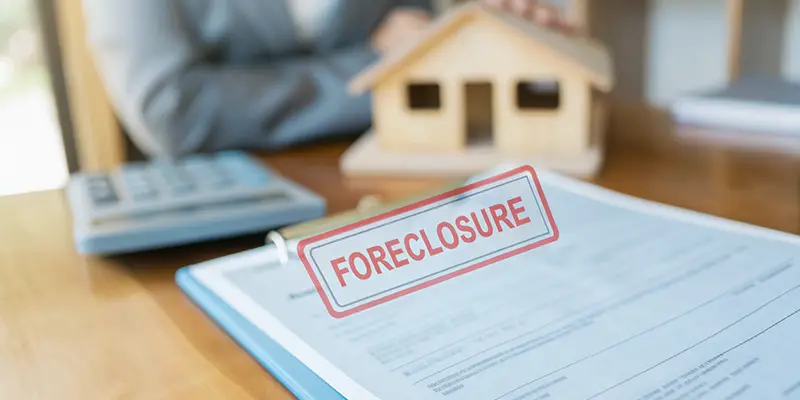
Rising foreclosure rates can result in challenges for HOAs, both in operations and finances. As more homeowners struggle with mortgage payments, associations may also see more delinquent dues and vacant properties. Board members must understand how foreclosure affects communities and prepare for any possibility.
What Rising Foreclosure Rates Mean for HOAs
There has been a noticeable rise in foreclosure rates in 2026. In fact, 227,548 U.S. properties saw foreclosure filings in the first half of the year alone. This represents a 21% increase from the same period in the year prior.
Foreclosures primarily involve a homeowner’s mortgage lender. Yet, there is still a significant foreclosure impact on HOA communities. A homeowners who can’t pay their mortgage anymore may also stop paying their association dues. This could then lead to a domino effect, ultimately damaging the association’s financial health.
Additionally, foreclosed properties can also sit vacant for a long time. Vacant homes are more susceptible to maintenance problems. They can even become targets of vandalism. In some communities, this has a clear foreclosure impact on property values.
How to Prepare for Rising Foreclosure Rates
With foreclosure rates steadily climbing, associations must take the necessary precautions to respond. Here are the strategies that board members can implement.
1. Review the HOA’s Delinquency Policy
Every association should have a clear collections policy that it consistently enforces. The policy should cover everything, including when the association will do the following:
- Send payment reminders
- Assess late charges
- Send delinquency notices
- Offer payment plans
- Refer accounts to an attorney or collection agency
- Record an assessment lien
- Pursue other available collection remedies
2. Monitor Delinquencies More Closely
Boards should not wait for a foreclosure notice before addressing a delinquent account. Regular delinquency reports can shed light on how long each account has been delinquent and how much they owe.
Additionally, these reports can also indicate delinquency trends in the community. If delinquency rates continue to rise, it could signal broader financial problems among homeowners.
3. Maintain Adequate Reserves
As HOAs primarily rely on dues, more foreclosures can make revenue less predictable. Board members should establish a contingency fund for operating expenses and ensure the association maintains sufficient reserves. These will help keep the community afloat while insolvent owners try to figure things out.
4. Build the Budget Around Realistic Collection Rates
When creating the annual HOA budget, boards shouldn’t assume that all homeowners can pay their dues. Projections should err on the conservative side, accounting for potential delinquencies. Boards should examine historical data to anticipate delinquency rates. Furthermore, if delinquencies are rising, the association must consider additional collection costs.
5. Communicate With Homeowners Early
Foreclosure is usually not the first sign that a homeowner is experiencing financial difficulties. A homeowner might first miss a payment or switch to making partial payments.
By communicating early, associations can help resolve the delinquency before it becomes more serious. An HOA can provide owners with information about payment plans or other options.
6. Understand How Foreclosure Affects HOA Liens
Mortgage foreclosures can affect the priority of the association’s lien on the property. While the exact rules can vary by state, mortgage liens typically take priority over HOA liens.
In North Carolina, for instance, an association can establish a lien for unpaid dues by filing a claim of lien, but it does not have super lien status. This means the mortgage lien has priority, and there is no guarantee the HOA can fully recover the owner’s debts after the foreclosure sale.
7. Prepare for Vacant and Bank-Owned Properties
A foreclosure doesn’t necessarily mean that the home will immediately have a new owner. Some properties remain vacant during the foreclosure process and even thereafter. Meanwhile, others are owned by a lender or another company.
Vacant properties present new problems for the HOA board. These properties can deteriorate due to lack of maintenance. Many even get vandalized or taken over by squatters.
To maintain curb appeal, promote safety, and preserve property values, HOAs should have procedures for monitoring vacant properties. If there are maintenance concerns, there should be a way to report them to the HOA as well.
Common issues related to vacant properties include:
- Overgrown landscaping
- Water leaks
- Broken windows
- Exterior damage
- Unauthorized occupants
- Trash accumulation
- Security concerns
Additionally, the association must understand who is responsible for addressing each problem. The HOA may not be liable for all of these issues.
8. Protect the HOA from Cash Flow Problems
Given current foreclosure trends, cash flow problems are commonplace for HOAs. There is often a big difference between how much an association expects to collect and how much it actually receives.
To reduce this risk, board members should maintain adequate cash, monitor delinquencies, and control unnecessary expenses. Collection procedures may also need revisiting.
In addition, the board should ensure that the association’s insurance policies are up-to-date. It is never a good idea to stop paying for necessary maintenance or halt reserve contributions. Doing so will only lead to larger expenses later on.
9. Work With an Experienced HOA Management Company
Professional management can become especially valuable when foreclosures increase. An experienced HOA manager can monitor delinquent accounts, prepare financial reports, and coordinate with collection professionals.
Additionally, a manager can communicate with homeowners and help the board identify emerging financial problems. They can also help boards distinguish between routine delinquency and situations that require legal action. Many management companies have in-house legal departments or existing partnerships with law firms.
Taking Initiative
Rising foreclosure rates can certainly be a cause for alarm, but they don’t signal major changes among HOA communities. Still, board members should develop a comprehensive plan to minimize the effects of mortgage foreclosures and address the aftermath. Doing nothing at all will only jeopardize the association’s long-term financial stability.
Clark Simson Miller offers HOA management services to community associations. Call us today at 865.315.7505 or reach out to us online to request a proposal!
RELATED ARTICLES:
- What An HOA Accounts Receivable Report Tells The Board
What Is HOA Bad Debt? Is Exposing HOA Debtors Legal? - What Rising Vendor Costs Mean For HOA Budgets This Year