
An HOA lockbox may sound like a small detail at first, but for many associations, it can make a major difference. Boards always deal with payments, checks, deposits, and the stress of accounting. This is why boards should consider adopting a lockbox system, as it helps bring order to what is usually a messy, time-consuming part of running a community.
What is an HOA Lockbox?
 An HOA lockbox is a payment collection service that banks or vendors provide. Instead of homeowners sending checks to the board or to a management company, they send them directly to a secure location. From there, the payments get processed and then deposited into the HOA’s account.
The service also creates a record of the payment, so the treasurer or the management company won’t have to track every single check manually. This reduces errors and improves accountability. The point of the lockbox is to make things smoother and safer for both the board and the homeowners.
Single-family communities aren’t the only ones that can benefit from an HOA lockbox service. Condo associations can also set up lockboxes for secure payment collection. Since condo associations work in much the same way as HOAs, banks offer such services to both types of communities.
Types of Lockboxes for HOAs
There are three main types that boards usually encounter: traditional, electronic, or hybrid. The board should consider the community’s needs before deciding which system makes the most sense for the community.
1. Traditional or Retail
With a traditional system, homeowners mail their checks to a PO box assigned by the bank. The bank collects the checks, processes them, and deposits the funds. After that, the board receives a report with the details.
Traditional lockboxes work well, but the drawback is speed. Since this method relies on mail delivery and manual processing, it may take longer for the funds to be available. Still, for smaller or older communities, this system is reliable and familiar.
2. Electronic or Digital
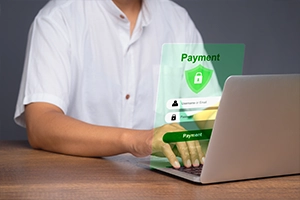 With electronic payment lockboxes, the process happens much faster. Homeowners pay online via a portal or app, and payments are recorded instantly. Many systems also integrate with the association’s accounting software, reducing manual work.
This is very helpful for larger communities that receive hundreds of payments each month. On the other hand, the board must ensure that all homeowners are comfortable with online systems, as not every resident may be familiar with them.
3. Hybrid or Wholetail
This type of HOA lockbox system combines both traditional and electronic methods. Some homeowners prefer mailing checks, while others prefer online payments. A hybrid lockbox allows both options to coexist.
This setup is the most flexible and often works well in communities with mixed demographics. The board must keep both systems running, which requires a bit more coordination. That said, it gives homeowners more freedom to choose in return.
The Advantages of Lockbox Payments for HOAs
There are many reasons why an association should consider setting up a lockbox. Let’s discuss them below.
1. Efficiency
A lockbox reduces wasted time. Instead of board members or managers sorting envelopes, logging checks, and making bank runs, the lockbox service does it all. This keeps the process organized.
This can save hours every month, which can really add up over time. Boards should not underestimate how much this frees them up to handle other community matters.
2. Security
 There are always risks when individuals handle money. Checks can get lost, delayed, or even stolen. With an HOA lockbox, funds move through a secure system managed by a bank or vendor. This can reduce the board’s liability and provide peace of mind.
Security is not just about theft either. It is also about reducing mistakes that can lead to disputes. Nobody’s perfect, and board members might lose payments or misplace checks. Meanwhile, homeowners might forget to send payments and claim they just got lost in the shuffle.
3. Accurate Records
Every payment deposited into the lockbox is recorded. The board receives clear reports that it can compare with the association’s ledgers. This means fewer disputes about whether a homeowner paid or not. It also makes audits smoother because the documentation is already in place.
4. Convenience for Homeowners
Homeowners want payment options. Some still prefer mailing checks, whereas others are used to online payments. A lockbox system can accommodate both. When residents have options, compliance usually improves. This means fewer delinquent accounts, fewer reminders, and fewer headaches for the board.
5. Better Cash Flow
Since banks process lockbox payments quickly, funds can be deposited into the association’s account sooner. Boards can then pay vendors and bills without delay. Stronger cash flow means fewer late fees on bills and less scrambling to cover expenses.
6. Professionalism
There is also the image factor. When an association uses a lockbox, it looks more professional to homeowners and vendors. It shows that the board takes financial management seriously.
How to Set Up an HOA Lockbox
Setting up a lockbox requires a few steps, and the board must handle them carefully. In every setup, communication is critical. The board must send notices, reminders, and FAQs to ensure homeowners understand the new process. If not, payments could be delayed, defeating the purpose of using a lockbox in the first place.
Each type of lockbox setup looks a little different, so here is a breakdown.
Traditional Lockbox
The board must contact the bank and request the service. The bank will then provide a PO box for mailing all checks. After that, the board must notify all homeowners of the change.
Once payments start arriving at the PO box, the bank processes and deposits them. Reports are sent back to the HOA. The board must make sure that notices are clear so that no payments go to the wrong place.
Electronic Lockbox for HOA
For the electronic system, the board must work with a bank or payment provider that offers digital platforms. The provider will set up a secure online portal where residents can pay. The board must test the system before fully launching it to make sure there are no technical problems.
Additionally, homeowners need instructions since some may not know how to use online systems. Once up and running, the board should monitor the reports closely to see if payments are flowing in correctly.
Hybrid Lockbox
The hybrid system requires both traditional and electronic setups. This means working with the bank for the PO box while also setting up the digital system. The board must provide homeowners with both sets of instructions.
Of course, this requires extra communication so that residents know they have options. It may feel more complicated at the start, but over time, it will balance out since it captures all preferences in one system.
Worth the Sweat
In the end, adopting an HOA lockbox system can help boards manage payments more effectively. It improves efficiency, reduces risks, and makes life easier for both the board and homeowners. While setup requires effort, the long-term benefits far outweigh the initial work.
Clark Simson Miller offers HOA management services to community associations. Call us today at 865.315.7505 or reach out to us online to request a proposal!
RELATED ARTICLES:
- The Need For Integrated Banking For HOAs
- HOA Bank Reconciliation: How Can Your HOA Do This?
- HOA Bank Statements: Everything You Should Know About It