
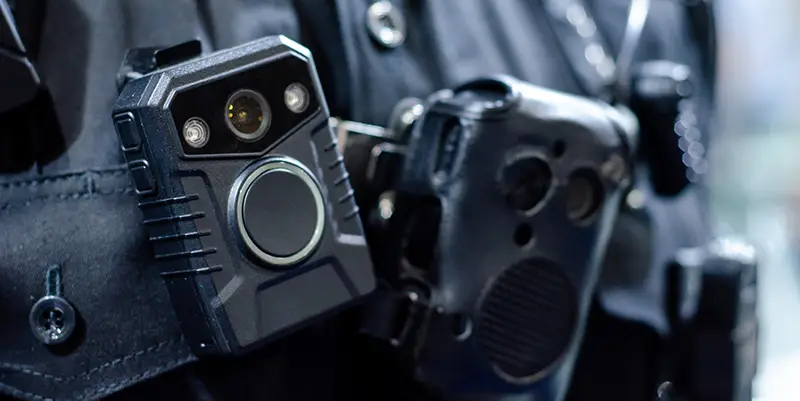
In recent years, HOA manager safety has become a growing concern. Managers often interact with homeowners, and in emotionally charged situations, things can quickly get out of hand. This has led some to start wearing body cameras, but privacy and liability concerns have made the move more complicated.
The Rise of HOA Manager Safety Risks
Homeowners associations often hire a professional to handle the day-to-day operations of the community. An HOA manager can be a valuable asset, as they greatly alleviate the board’s workload. That said, managers are people, too, and can face the same safety risks as volunteer boards.
In fact, HOA manager security has been a growing concern in the industry. Managers typically face the brunt of complaints or anger since they are usually the ones who interact with residents and vendors.
For example, when an owner receives a violation notice following a property inspection, their first instinct is to challenge it by approaching the manager. Emotions can quickly escalate, and debates can turn heated.
Unpopular board decisions can also put the HOA manager at risk. Homeowners want to put a face to the problem, and they take it out on the person they see the most.
Reasons to Wear an HOA Manager Body Camera
Some HOA managers have even taken to wearing body cameras, similar to select law enforcement. But why is this becoming a common practice?
1. To Document Difficult Interactions
Cameras create an objective record of an interaction or situation. Instead of relying on “he said, she said” arguments, people can simply watch the playback to determine what really happened. This reduces disputes over what was said or done.
2. To Deter Aggressive Behavior
Body cameras can be a useful tool for an HOA manager dealing with aggressive homeowners. People tend to behave more professionally when they know they are being recorded. This can discourage owners from making threats or verbally abusing the manager.
3. To Protect Against False Complaints
With a video recording, managers can protect themselves against false allegations. People can simply watch the footage to verify facts, especially during an investigation by the board or HOA management company.
4. To Improve Incident Reporting
Managers often need to create incident logs for transparency. If they fail to do this immediately afterward, they might forget crucial details. With a body camera, every word and action can be captured.
These records can also help with insurance claims or legal matters later on. In fact, a few insurance providers even require managers to wear bodycams.
Potential Drawbacks of HOA Manager Body Cameras
With HOA community managers’ safety becoming a priority, many are choosing to don a body camera to capture interactions and serve as evidence in case the situation turns sour. Still, bodycams aren’t all positive. They can also pose pitfalls to both the manager and the association.
Here are the potential disadvantages of wearing body cameras.
1. Privacy Concerns
Residents may feel uncomfortable being recorded. They might not want their face or likeness in video form. Plus, managers should be wary of recording in areas where people have a reasonable expectation of privacy.
2. State Recording Laws
Recording laws are a major concern. In states like California, recording conversations generally requires the consent of all parties, which means managers would need to disclose that they are recording.
Legal experts also question whether homeowners can be required to consent to being recorded. If a resident refuses, an association may not be able to force the recording.
3. Data Security
Liability issues can arise when an HOA fails to protect recorded footage. It is important to establish policies for retaining and deleting the recordings. Furthermore, not everyone should have access to the videos.
4. Cost and Administration
Body cameras don’t come cheap. Associations must factor any relevant costs into the budget, including equipment expenses and storage subscriptions. Managers must also be trained to use the devices properly and legally.
5. Damage to Homeowner Relationships
Many criticize the use of bodycams as they can damage relationships between managers and homeowners. Residents may be less willing to speak their minds about issues out of fear of being recorded. Managers may also appear less approachable, which is counterintuitive to their goals.
Best Practices for Using HOA Manager Body Cameras
While HOA manager safety is certainly a priority, association boards must exercise caution when allowing the use of bodycams. Here are the best practices to follow.
1. Adopt a Written Policy
First, the HOA board must enact a formal policy for bodycam usage. This policy should address when recording is allowed, who may wear cameras, and when recording must stop. It should also talk about retention, storage, access, and deletion practices.
2. Train Managers Thoroughly
Managers must undergo comprehensive training on how to operate the camera properly. They must understand when they can and when they can’t record. Legal compliance and professional conduct are of paramount importance to avoid liability issues.
3. Notify Residents
Residents must be aware of when they are being recorded. Managers should let them know or wear a sign that says, “Recording in progress.” Verbal consent may even be necessary, particularly in states requiring two-party or all-party consent.
4. Review Footage Responsibly
Associations must create rules for footage management. For example, only select people may access the recordings to maintain confidentiality. The board should also preserve the recordings only as long as necessary.
Alternatives for HOA Manager Safety
Body cameras can be useful in certain situations, but they are not the only option. Here are the alternatives that HOA managers and boards should consider.
1. Conduct Meetings in Public or Shared Spaces
Board meetings are where arguments or complaints typically take place. To avoid safety risks, it is best to hold these meetings in public or shared spaces. This way, there are witnesses everywhere, and residents are less likely to act out.
2. Learn to De-escalate
Managers should be trained in HOA conflict de-escalation. Sometimes, all it takes is an active listener to calm down an angry resident. Acknowledge their concern and seriously consider resolutions. Don’t just brush their issues under the rug.
Additionally, these situations call for utmost professionalism. Managers shouldn’t use confrontational language or offensive tones. Adopt a calm demeanor. Often, simply being personable and approachable can lift a resident’s negative mood.
3. Install Security Cameras in Common Areas
Instead of body cameras, consider installing security cameras in common areas. These cameras can capture heated situations or verbal arguments just as well as bodycams. Of course, the use of security cameras comes with its own set of requirements and considerations.
Don’t Jump to a Decision
With the rise of HOA manager safety risks, body cameras are becoming more common. They may help protect managers and discourage misconduct, but they can also pose serious privacy and legal challenges. Before adopting body cameras, HOA boards should first consult legal counsel to avoid liability.
Clark Simson Miller offers HOA management services to community associations. Call us today at 865.315.7505 or reach out to us online to request a proposal!
RELATED ARTICLES:
- Can You Change The HOA Manager But Retain The HOA Management Company?
- HOA Duty To Protect: A Legal Obligation Or A Courtesy?
- HOA Legal Risk Management: What Boards Should Prioritize First